
Cajun Ranch Sauce: The Recipe, the Uses, and Why It Slaps on Everything
Cajun ranch sauce: the recipe, the uses, and why it slaps on everything
Sunday meal prep. Sheet pan of chicken thighs out of the oven. You're reaching for something to make it actually taste like food. Regular ranch is fine. BBQ sauce has 14 grams of sugar per serving. Hot sauce alone doesn't cut it. Then there's cajun ranch sauce. That spicy, creamy, "wait what is in this" situation that somehow works on absolutely everything. I keep a bottle in my fridge at all times. Has been that way for two years.
If you want to know what cajun ranch sauce IS, I wrote about that already (the spice profile, the cayenne-paprika combo, all of it). This article is about what to do with it. Specifically: the best foods to put it on, why most store-bought versions are quietly terrible for your macros, and what actually makes a good cajun ranch sauce if you care about what you're eating.
What cajun ranch sauce actually goes on (the real list)
The obvious answer is wings. And yes, cajun ranch sauce on wings is absurdly good. But you're sleeping on about ten other applications if that's where your mental model stops.
Chicken tenders. This is the one I use most. Air fryer chicken tenders with cajun ranch sauce is a 15-minute meal that hits 40+ grams of protein. The sauce sticks to the crust in a way that regular ranch doesn't.
Sheet pan chicken thighs. Ten out of ten. The sauce does double duty here: marinade before cooking, dipping sauce after. Cajun ranch holds up to heat better than most creamy sauces.
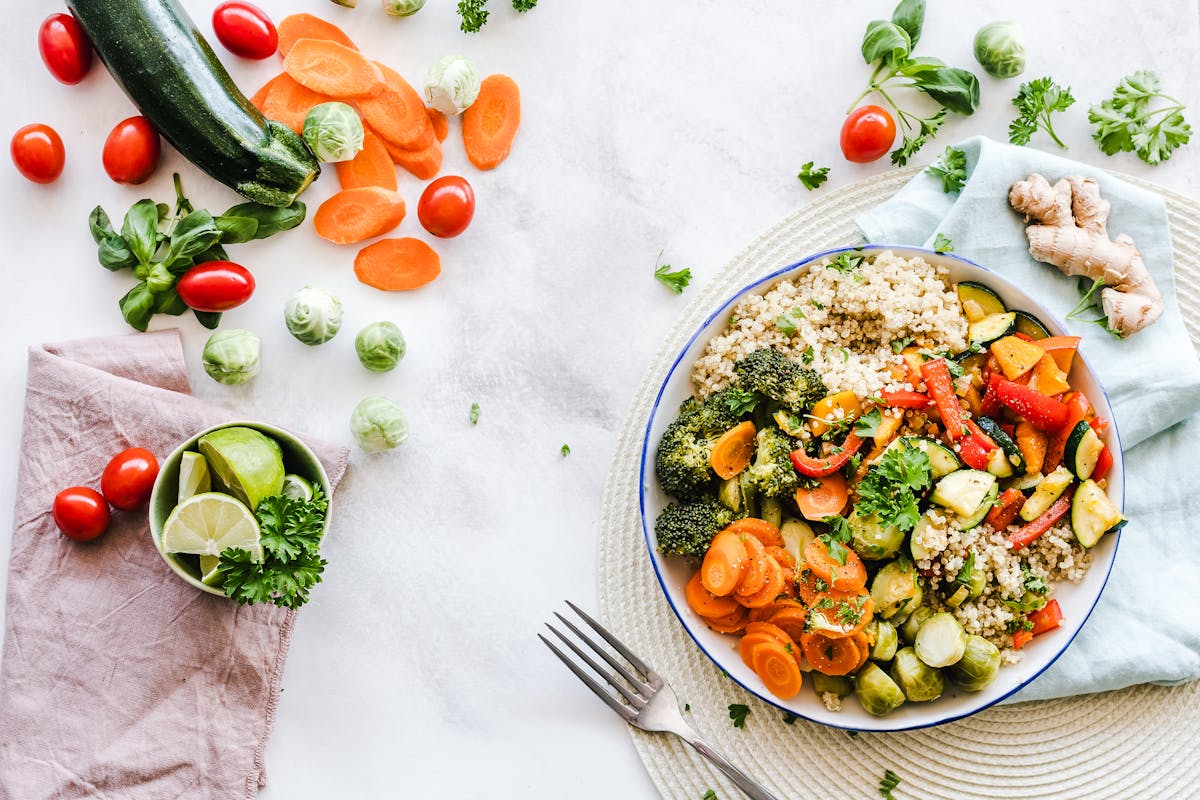
Grain bowls. Brown rice, chicken, roasted broccoli and sweet potato. A drizzle of cajun ranch turns that from "fine I guess" into something you'll actually look forward to on Wednesday. I've been doing this version every week for the past six months.
Wraps and sandwiches. Skip the mayo. Cajun ranch as a sandwich spread is legitimately better. Chicken wrap, romaine, red onion, cajun ranch. That's lunch figured out.
Veggie dips. Celery sticks. Bell pepper strips. Even broccoli, which nobody likes raw but people keep eating anyway. Cajun ranch makes vegetables feel like an actual snack instead of a punishment.
Shrimp. Grilled shrimp on skewers with cajun ranch on the side is one of those combinations that sounds basic but tastes like effort. Works at cookouts too if you need to impress people.
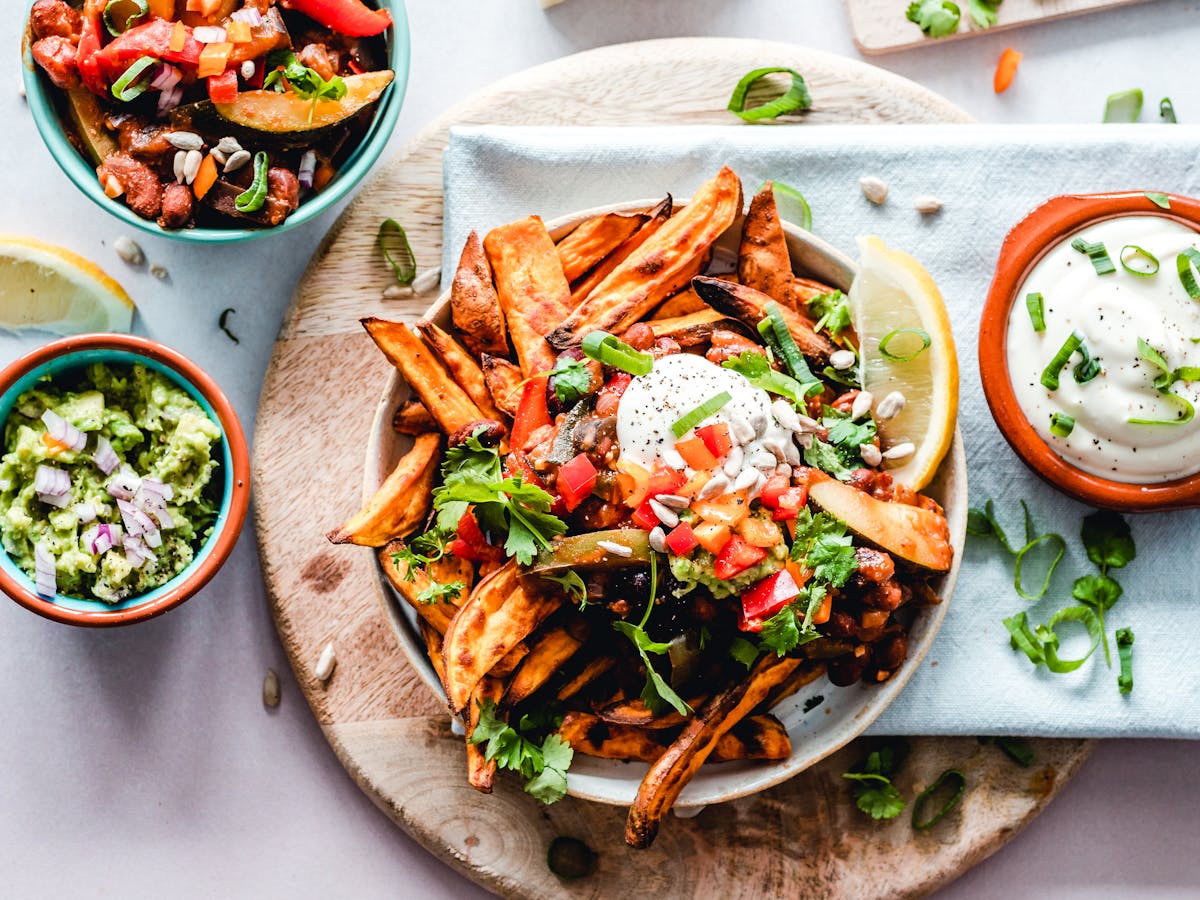
Fries and roasted potatoes. Classic. Don't overthink it.
Tacos. Fish tacos especially. The spice in cajun ranch plays well with the tartness you usually get from a slaw. Try it before you dismiss the idea.
The running theme here: cajun ranch sauce is a bridge condiment. It takes meal prep foods that are nutritionally solid but kind of boring and makes them feel like real food. That's the whole pitch.
Why most store-bought cajun ranch sauces miss the mark

Here's where things get annoying. Most cajun ranch sauces at the grocery store taste fine. Some taste great. But if you actually flip the bottle over and read the nutrition label, you start to wonder what you're paying for.
Seed oils are almost universal. Soybean oil. Canola oil. Sometimes a blend of both. These are cheap filler ingredients that make up the majority of the sauce. When 80% of your condiment is refined oil, "cajun ranch sauce" starts to feel like a generous label for what's basically spiced vegetable fat.
Sugar is hiding everywhere. Some brands add corn syrup or sugar to smooth out the heat and extend palatability. That's not inherently evil, but if you're tracking macros on a cut, those hidden carbs add up across a week of meal prep.
Gums and thickeners. Xanthan gum, guar gum, modified food starch. Used to achieve a creamy texture without real ingredients. Not dangerous, but not particularly useful either. You're essentially paying for stabilizers.
Zero protein. Standard store-bought cajun ranch sauce has essentially no protein. A two-tablespoon serving might have 0 to 1 gram. Given that protein is the one macronutrient most people are chronically undereating, getting zero contribution from a condiment you're using daily is a missed opportunity.
None of this means you have to avoid regular cajun ranch sauce entirely. But if you're eating it on chicken four days a week, ask yourself whether the sauce is actually working for you or just along for the ride.
Cajun Ranch that actually has macros
Saucified Cajun Ranch packs 5g protein and 35 calories per serving. No seed oils, no gums, no gluten. The heat is real. The label is clean.
Shop SaucifiedWhat to actually look for on a cajun ranch sauce label

If you're going to eat cajun ranch sauce multiple times a week (and if you meal prep, you probably are) you need to know what to look for. A few things matter more than the rest.
Protein content. Look for at least 3-5 grams per serving. If the protein column shows zero, the sauce was built around oil and flavor, not actual nutrition. That's a choice, but you should make it consciously.
Oil type. Avocado oil and olive oil are the ones you want. Soybean oil and canola oil are the cheap alternatives most brands default to. The oil is usually the first or second ingredient, so it's easy to spot.
Thickener source. Egg yolks and real dairy create texture naturally. If the label lists three different gums as thickeners, the sauce was built in a lab to approximate creaminess rather than achieve it with real ingredients.
Sugar per serving. Under 2 grams is fine. Over 5 grams for a condiment that isn't a BBQ sauce starts to feel like a stretch.
The spice. Real cajun ranch sauce should actually be spicy. The "some red pepper flakes were nearby" kind does not count. If you read the ingredient list and cayenne, paprika, and hot sauce aren't in there, the heat is either artificial or absent. Either way, not ideal.
You can find options that hit most of these marks. They're not at every grocery store, but they exist. Check our guide to seed oil free condiments for a broader breakdown of what clean-label actually means on a sauce or condiment label.
The protein cajun ranch sauce that actually delivers
When Tobias and I were building Saucified, cajun ranch was the first flavor we tested. Not because it was the safest bet (ranch is everywhere). But because we couldn't find one that was both legitimately good and actually built for people who track their food.
The Saucified Cajun Ranch has 5 grams of protein per serving, 35 calories, and prebiotic fiber. No seed oils. No gums. No gluten, no egg, no soy. The spice blend uses real cayenne and paprika, not some paprika-flavored extract, and you can taste the difference. It hits in a way that most grocery store versions don't.
I put it on pretty much everything I've already listed. The chicken tender application is where it shines most, in my opinion. The sauce has enough body to coat the crust and enough heat to matter. But honestly, on a grain bowl is where you'll notice the protein contribution most, because you're already building a macro-dense meal and the sauce is adding to it rather than just coming along for the ride.
If you're also interested in using high-protein dipping sauces across your broader meal prep routine, I went deep on all the options in this high protein dipping sauces for meal prep guide.
Ranch for people who lift
The Ranch Pack has Cajun Ranch and Classic Ranch, both with 5g protein, zero seed oils, and no gum nonsense. $24.99 for both.
Shop SaucifiedHow to use cajun ranch sauce in your meal prep rotation
The one thing I tell people who are bored with their meal prep: rotate your sauces before you rotate your proteins. Chicken stays chicken. But Cajun Ranch Monday feels completely different from Tangy BBQ Thursday.
Here are three meal prep builds that specifically work well with cajun ranch sauce:
The basic bowl. Brown rice base. Grilled chicken breast or thighs, sliced. Roasted broccoli and bell peppers. Cajun ranch drizzled on top right before eating, not in the container. This is the move: putting sauce in the container ahead of time makes everything soggy by day three.
The wrap situation. Flour tortilla, a scoop of the chicken you already prepped, romaine, red onion, and a tablespoon of cajun ranch. Takes two minutes to assemble in the morning. Hits 35-40 grams of protein depending on the chicken portion. This is what I eat on days I have a 7am meeting and zero time to think.
Sheet pan chicken tenders. Cut chicken breast into strips. Season with salt, black pepper, garlic powder. Bake at 425°F for 18-20 minutes. Batch of six servings done in one cook. Cajun ranch sauce on the side. This is genuinely one of the simplest high-protein meal prep options that doesn't feel like diet food.
A note on the veggie dip application: Keep a small container of cajun ranch in your work fridge if you have access to one. Bell pepper strips, celery, cucumber. That's an actual snack that contributes protein instead of just killing time between meals.
The broader point: cajun ranch sauce is a utility player. It's for a lot more than wings at a sports bar. If you're eating clean and training seriously, having a sauce rotation that actually supports your macros instead of working against them is one of the easier improvements you can make to how food feels day to day.
This article is for informational purposes only and is not a substitute for professional medical or dietary advice. Always consult your doctor about dietary changes, especially if you are on GLP-1 or other medications.
Try all four flavors. Find your rotation.
The Variety Pack has all four Saucified flavors, 5g protein each, no seed oils, no gums. $37.99. That's a full month of meal prep covered.
Shop SaucifiedWant to try individual flavors? Check out Cajun Ranch, Classic Ranch, Hot Honey Mustard, or Tangy BBQ.
The sauce is the easiest upgrade in your kitchen. Make it count.