

High Protein Dipping Sauces for Meal Prep: How to Make Chicken Actually Worth Eating
High protein dipping sauces for meal prep: how to make chicken actually worth eating

You know the feeling. It's Wednesday. You open your fridge. Five containers of plain chicken breast and rice stare back at you. The chicken is dry. The rice is cold. You'd honestly rather skip the meal.
So you do skip it. Then you hit a drive-through at 9 PM because you're starving and your willpower ran out somewhere around container number three.
Here's the thing nobody talks about in fitness circles: the number one reason people quit meal prepping has nothing to do with cooking or time commitment. It's boredom. You get sick of eating the same flavorless food, and eventually the Wendy's app wins.
The fix is stupid simple. You don't need 47 new recipes or a culinary arts degree. You need better sauces. Specifically, high protein dipping sauces that add real flavor without blowing up your macros.
I'm going to break down exactly what to look for, what to avoid, and how to actually use them so your meal prep stops feeling like a punishment.
Why your meal prep tastes like cardboard (and what to do about it)
Most of us cook in bulk. Big batch of chicken thighs or breasts on Sunday, portion it out, throw it in the fridge. Makes sense. The problem is that bulk-cooked protein almost always ends up bland.
Yeah, you season it. Salt, pepper, garlic powder if you're feeling fancy. But by day three? That seasoning has faded into nothing. The chicken dries out from sitting in the fridge. The texture goes rubbery. Your "disciplined eating plan" starts feeling like a prison sentence.
Sauces fix this because you add them fresh at mealtime. Your protein stays neutral during storage (which actually helps it last longer), and the sauce wakes everything up right when you eat. It's the lowest-effort upgrade you can make to any meal prep routine. Fifteen seconds of effort, completely different meal.
What actually makes a sauce "high protein" (and why you should care)
A regular dipping sauce from the grocery store, your standard Hidden Valley ranch or those BBQ packets from Chick-fil-A, is basically fat, sugar, and ingredients you'd need a chemistry degree to pronounce. Virtually no protein. A ton of calories for a tiny serving.
High protein sauces flip that. They use protein-rich bases like whey or pea protein to pack real nutritional value into every serving. We're talking 3 to 7 grams of protein per tablespoon-sized serving, depending on the brand.
Why those extra grams matter more than you think
Do some quick math with me. If you use sauce twice a day (and be honest, you probably use it more than that), that's an extra 6 to 14 grams of protein daily. Over a week, that's up to 98 extra grams. Over a month, close to 400 grams of protein you didn't have to cook, chew through, or choke down in another chalky shake.
If you're cutting and every gram counts, that's meaningful. If you're bulking and trying to hit 200+ grams a day without eating seven meals, it helps. If you're on a GLP-1 medication and your appetite is smaller, getting protein from your condiments is actually a smart move.
What to look for on the label
Fair warning: some brands sprinkle in a single gram of protein and slap "HIGH PROTEIN" on the front. That's marketing, not nutrition. Here's what you actually want to see:
- At least 4-5g protein per serving. Anything under that isn't doing much for you.
- Under 40 calories per serving. You want flavor, not a calorie bomb hiding in your condiments.
- No seed oils. Canola, soybean, sunflower. These cheap filler oils show up in almost every sauce on the shelf. They're there because they're dirt cheap, not because they're good for you.
- No gums or artificial thickeners. Xanthan gum, guar gum, and friends. This is how budget brands fake a thick, creamy texture without actual quality ingredients.
- Allergen friendly. If you're gluten free, soy free, or egg free, most grocery store sauces are automatically out. Read the full label, including the back.
- Bonus: prebiotic fiber. Some newer sauces include fiber for gut health. If you're on a GLP-1 medication or just want better digestion, this is a genuine plus worth paying for.
$37.99
All 4 flavors. 5g protein per serving. 35 calories. Zero seed oils, gums, or excuses.
Shop NowBest protein sauces for chicken (and everything else you're prepping)
Chicken breast is the meal prep workhorse, so let's start there. But honestly, everything I'm about to describe works on turkey, rice bowls, roasted veggies, wraps, or whatever else you're packing for the week.
Ranch (the undisputed GOAT)
Ranch goes with everything. This is not a controversial opinion. A high protein version gives you that creamy, tangy hit without the 140 calories per serving you'd get from store-bought. Classic ranch on grilled chicken is never going to let you down.
If you want some kick, Cajun ranch on grilled chicken is absurdly good. It's also great drizzled over a Southwest-style rice bowl or as a dip for raw veggies on the side. I personally go through Cajun ranch faster than any other sauce in my fridge.
BBQ sauce
Here's a fun fact that will ruin your day: standard BBQ sauce can pack 12 to 15 grams of sugar into a single serving. That's more than some candy bars. A protein-packed BBQ sauce gives you that smoky sweetness without the blood sugar rollercoaster.
Use it on shredded chicken, pulled pork, or mix it into ground turkey for easy BBQ bowls. You can also warm it up slightly and use it as a glaze. Ten out of ten on a sheet pan of chicken thighs.
Hot honey mustard
This one is for when you're bored of the basics and want something that actually makes you excited to eat meal prep. Hot honey mustard is sweet, spicy, and tangy in the same bite. It's perfect on chicken tenders, baked nuggets, or as a spread on a meal prep wrap.
Saucified makes all four of these flavors (Classic Ranch, Cajun Ranch, Hot Honey Mustard, and Tangy BBQ) with 5g of protein per serving, prebiotic fiber, and only 35 calories. No seed oils, no gums, no gluten, no egg, no soy. That checks pretty much every box on the list above. If you've been looking for sauces that taste good and actually fit your macros, they're worth trying.
Healthy dipping sauces for the gym crowd: what to avoid
Before you grab something off the shelf because the label says "healthy" or "light," here's what the fitness community has learned through painful trial and error.
"Light" is usually a lie
Light ranch. Light mayo. Light anything. These products cut the fat and replace it with sugar, corn syrup, or artificial sweeteners. You're not winning. You're just trading one problem for a different one, and the taste usually suffers too.
Watch the sodium
Some sauces, especially hot sauces and soy-based ones, are absolutely loaded with sodium. If you're already salting your chicken and rice, piling on a high-sodium sauce means you'll hold water like a sponge. Not ideal when you're trying to look lean. Also not ideal if you have any blood pressure concerns.
Sugar hiding in "healthy" sauces
Honey mustard, teriyaki, sweet chili. These popular sauces can have more sugar per serving than a cookie. Always flip the bottle and check the nutrition label. If sugar or high fructose corn syrup shows up in the first three ingredients, put it back on the shelf. You deserve better.
How to actually use protein dipping sauces in your weekly meal prep
Theory is great, but here's the practical stuff. These tips will save you time and keep your meals from getting boring.
Cook your protein plain on purpose
Stop trying to marinate five different ways on Sunday. Just cook all your protein with salt and pepper. Then use different sauces throughout the week to create completely different meals from the same base. Monday's BBQ chicken and Wednesday's ranch chicken taste nothing alike, but they came from the same batch.
Pack your sauces separately
Please, for the love of gains, do not pour sauce into your meal prep containers ahead of time. By Tuesday everything will be soggy and sad. Keep your sauces in small separate containers (those 2 oz dressing cups work perfectly) and add them fresh when you eat. This is the single most important tip in this entire article.
Rotate your flavors
Buy three or four different sauces and assign them to days. Monday is BBQ chicken day. Tuesday is Cajun ranch. Wednesday is hot honey mustard. Same protein, completely different eating experience, zero extra cooking. Your taste buds won't know you're eating the same chicken all week.
Use them as marinades too
Most high protein dipping sauces double as solid marinades. Toss your chicken in a few tablespoons before cooking and the flavor gets even deeper. This works especially well with BBQ and Cajun-style sauces. Just save some extra sauce for dipping at mealtime.
Don't forget your vegetables
Real talk: one of the best things about having good sauces around is that you'll actually eat your vegetables. A solid ranch turns raw broccoli, carrots, and bell peppers into something you look forward to instead of something you force down. I went from barely eating my veggies to demolishing them once I had a ranch worth dipping into.
A real day of eating with protein sauces
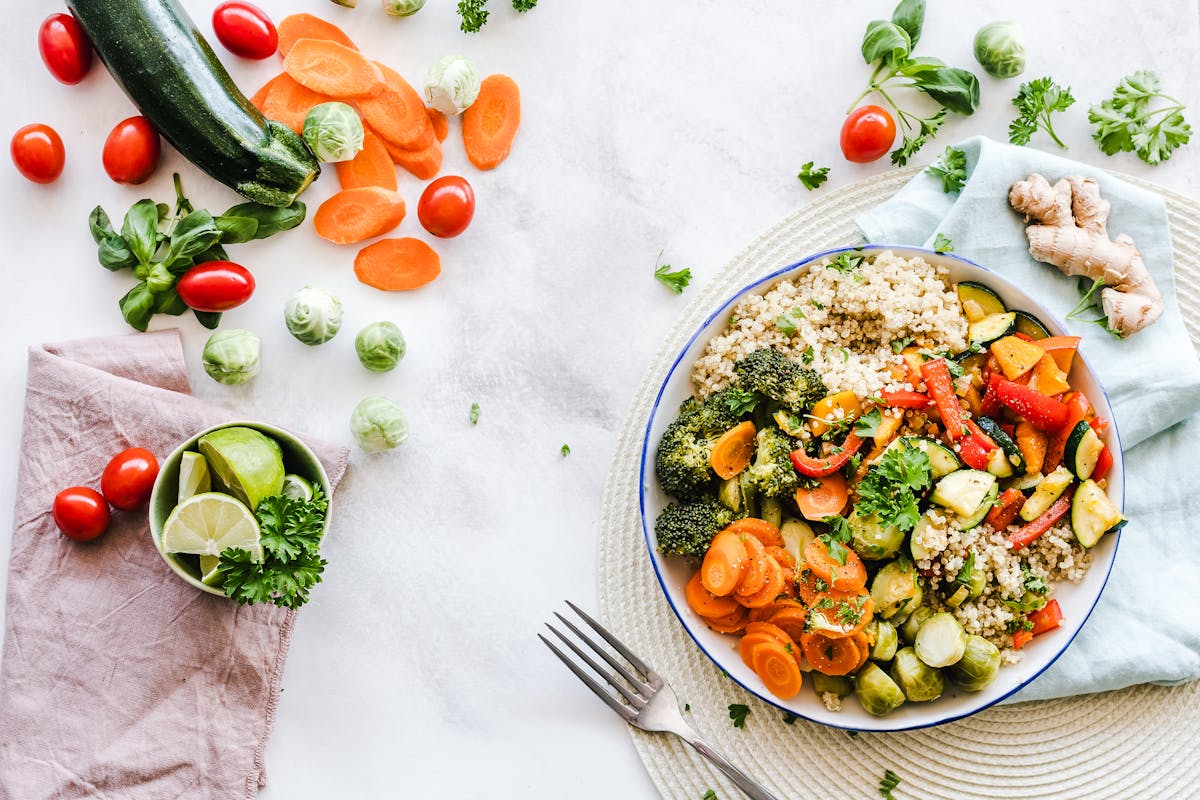
Here's what an actual day looks like. Nothing fancy, nothing that requires a personal chef.
- Meal 1 (breakfast): Egg white scramble with turkey sausage, dipped in Cajun Ranch. About 35g protein.
- Meal 2 (lunch): Grilled chicken breast over rice with steamed broccoli, drizzled with Tangy BBQ. About 45g protein.
- Meal 3 (snack): Raw veggies with Classic Ranch as a dip. Around 10g protein from the sauce and veggies alone.
- Meal 4 (dinner): Baked chicken tenders with sweet potato, dipped in Hot Honey Mustard. About 40g protein.
Four meals, four different flavors, all built from the same batch of chicken you cooked on Sunday. You picked up an extra 15 to 20 grams of protein just from your sauces, and you didn't eat the same boring thing twice. That's the whole system.
Stop suffering through bland meal prep
Nobody gets a medal for eating tasteless food. There's no trophy for the most boring diet. If your nutrition plan makes you miserable, you won't stick with it. Simple as that.
High protein dipping sauces are one of the simplest upgrades you can make to your meal prep. More protein, more flavor, no extra cooking. That's the whole pitch, and honestly, it works.
Your meal prep doesn't have to suck. Start with better sauces and you might actually look forward to opening that container at lunch.
This article is for informational purposes only and is not a substitute for professional medical or dietary advice. Always consult your doctor about dietary changes, especially if you are on GLP-1 or other medications.
Want to try individual flavors? Check out Cajun Ranch, Classic Ranch, Hot Honey Mustard, or Tangy BBQ.