

Best Low Calorie Sauces for Gym Meals (2026)
You hit your protein goal for the day. Barely. That last meal was 40 grams of chicken breast with nothing on it because every sauce in your fridge is basically sugar water with a nutrition label.
Low-calorie sauce note: If you are rebuilding your sauce setup around lower calories first, start with our low calorie dipping sauce guide, then use this page for the gym-meal comparison angle.
Sound familiar? That's exactly why low calorie sauces exist. Not as some gimmick that fitness influencers invented to sell you stuff, but because the condiment aisle has been failing gym-goers for decades. Regular ketchup, BBQ sauce, ranch dressing - they add zero protein and usually come loaded with seed oils, corn syrup, and enough sodium to make your post-workout pump disappear into water retention.
Protein sauces flip that equation. They add anywhere from 3 to 10 grams of protein per serving while keeping calories low enough that your macros don't implode. And the category has gotten legitimately good in the last year or two.
Here's everything you need to know about low calorie sauces - what actually works, what's marketing fluff, and how to use them without overthinking it.
What low calorie sauces actually are (and what they're not)
A low calorie sauce is a condiment that uses whey protein, collagen, pea protein, or another protein source as a core ingredient. Instead of getting your flavor from sugar and filler, you get it from a protein-enriched base.
That's it. No magic.
The typical low calorie sauce gives you 3 to 8 grams of protein per serving. Some brands push higher, but past a certain point the texture starts getting chalky or thick in a weird way. The sweet spot seems to be around 5 grams - enough to make a real difference across multiple meals without sacrificing taste.
What low calorie sauces are NOT: a replacement for actual protein sources. Nobody's hitting 150g daily protein from ranch dressing. They're a supplement to your existing meals. Think of them as the difference between a boring container of chicken and rice and one you actually look forward to eating.
The real value isn't even the protein itself, honestly. It's that low calorie sauces tend to be made by brands that actually care about the full ingredient list. That means no seed oils, no high fructose corn syrup, no mystery gums, and usually way fewer calories per serving than the stuff you grew up putting on everything.
The macro math: why low calorie sauces matter more than you think
Let's do some quick math because numbers don't lie.
Say you eat 4 meals a day. Most people use 1 to 2 tablespoons of sauce per meal, sometimes more. With regular condiments, those 4 meals add up to roughly 0 grams of protein and somewhere between 100 to 300 calories in pure sauce.
Switch to a low calorie sauce at 5g per serving and low calories. Across 4 meals, that's 20 grams of more flavor without extra calories for about 140 calories. In a week, that's 140 grams of protein you weren't getting before.
For anyone on a cut, those numbers are borderline ridiculous. You're getting free protein that was previously wasted on empty condiment calories. And for anyone bulking, it's just one more easy lever to push your daily total higher without adding another chicken breast.
The people who benefit most from low calorie sauces:
- Cutters and dieters - Every gram of protein counts when calories are restricted. Getting 20+ extra grams daily from sauce alone is significant.
- GLP-1 users - If you're on Ozempic, Wegovy, or Mounjaro, your appetite is already suppressed. You need protein-dense foods in smaller portions. Protein sauces pair perfectly with GLP-1 medications.
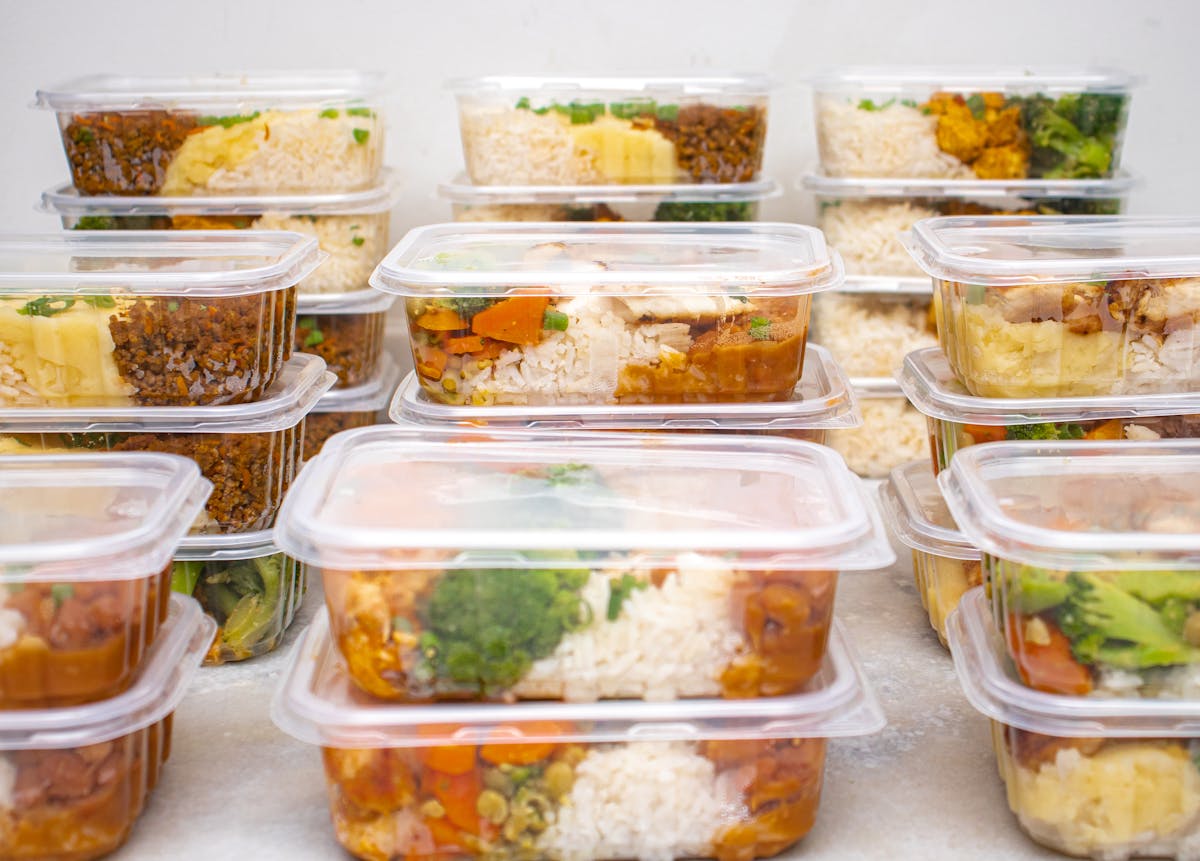
- Meal preppers - The person eating the same chicken, rice, and broccoli five days straight. Sauce variety is the only thing standing between you and the Wendy's drive-through by Thursday.
- Older adults - Protein needs increase with age, and appetite often decreases. Adding protein through sauces is effortless.
Protein sauces vs. just adding protein powder to regular sauce
I've seen this suggestion on Reddit probably a hundred times. "Just mix whey into your ranch bro." And look, I've tried it. Multiple times.
It's terrible.
Whey protein isolate mixed into regular ranch dressing turns into a gritty, slightly sweet, oddly thick paste that tastes nothing like ranch. The proteins clump. The texture goes wrong. And regular sauce already has seed oils and sugar that you were trying to avoid in the first place.
Protein sauces are formulated from scratch with the protein as a base ingredient, not an afterthought. The emulsification is different. The flavor profile is built around the protein, not fighting against it. There's a reason food scientists get paid what they get paid.
Could you technically make a decent low calorie sauce at home? Sure, with the right ingredients and some trial and error. But between sourcing whey isolate, prebiotic fiber, clean oils, and spice blends - then getting the ratios right so it doesn't taste like a failed science experiment - you're spending more time and money than just buying a bottle that already works.
prebiotic fiber per serving. low calories. No seed oils.
Saucified low calorie sauces are formulated for people who take their macros seriously. Whey protein, prebiotic fiber, and zero junk ingredients.
Shop SaucifiedWhat to look for on the label (and what to avoid)
Not all low calorie sauces are created equal. Some brands slap "protein" on the label after adding a token gram of collagen to what's basically regular sauce. Here's how to tell the real ones from the imposters.
Look for:
- Protein per serving of 4g or higher (below that, they're padding the claim)
- Whey protein isolate or concentrate as a top-5 ingredient
- Low sugar - under 2g per serving
- No seed oils (canola, soybean, sunflower, safflower). Avocado oil or olive oil instead.
- No gums (xanthan gum, guar gum). These cause digestive issues for a lot of people.
- Free of common allergens - no gluten, egg, or soy. If you're avoiding any of those, low calorie sauces built without them exist.
- Prebiotic fiber is a bonus - helps with gut health and adds a few extra grams of fiber to your day
- Calorie count under 50 per serving
Red flags:
- "Protein-enriched" with collagen as the only protein source. Collagen is incomplete protein - it's missing tryptophan and is low in other essential amino acids. Fine for skin and joints, not great as your low calorie sauce base.
- Added sugars above 3g per serving. At that point you're eating sweet sauce with some protein mixed in.
- Soybean oil or canola oil anywhere on the ingredients list. The seed oil problem in condiments is real, and low calorie sauces shouldn't have them either.
- "Natural flavors" as one of the first three ingredients. That usually means the actual sauce base has very little real flavor.
How to actually use low calorie sauces (specific meals that work)
Protein sauces aren't a one-trick condiment. The versatility is part of why they've caught on. Here are the meals where they make the biggest difference.
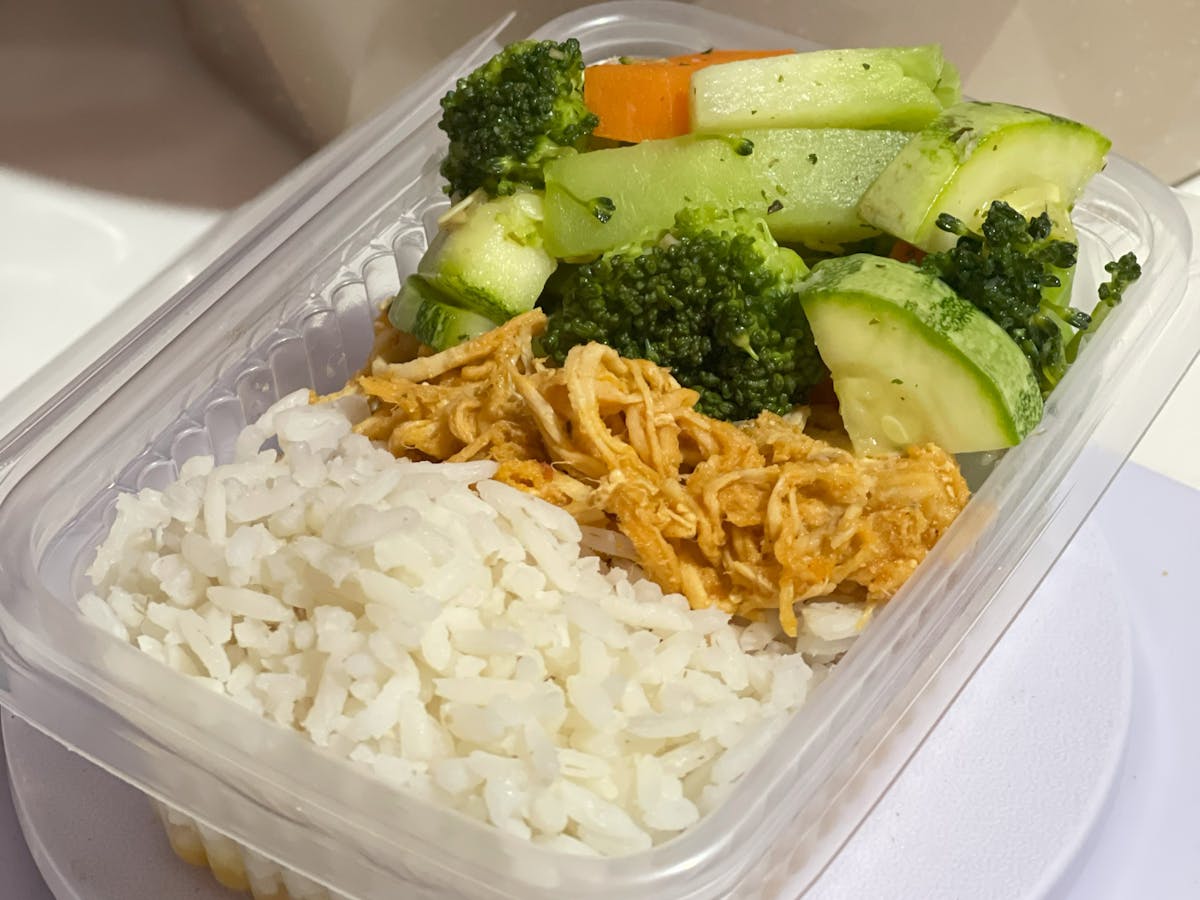
The classic meal prep container. Chicken, rice, vegetable. You know the drill. Two tablespoons of a protein ranch or cajun ranch turns this from punishment food into something you grab out of the fridge before anything else. Ten grams of more flavor without extra calories per container, and your meal prep actually tastes good all week.
Post-workout wraps. Grilled chicken or turkey in a low-carb tortilla, some greens, and a generous drizzle of hot honey mustard low calorie sauce. Fast, portable, and adds protein where most wraps fall short.
Steak and eggs breakfast. A protein-based BBQ or tangy sauce on your morning steak. Sounds weird, tastes incredible. The low calorie sauce replaces A1 or ketchup with something that actually fits your macros.
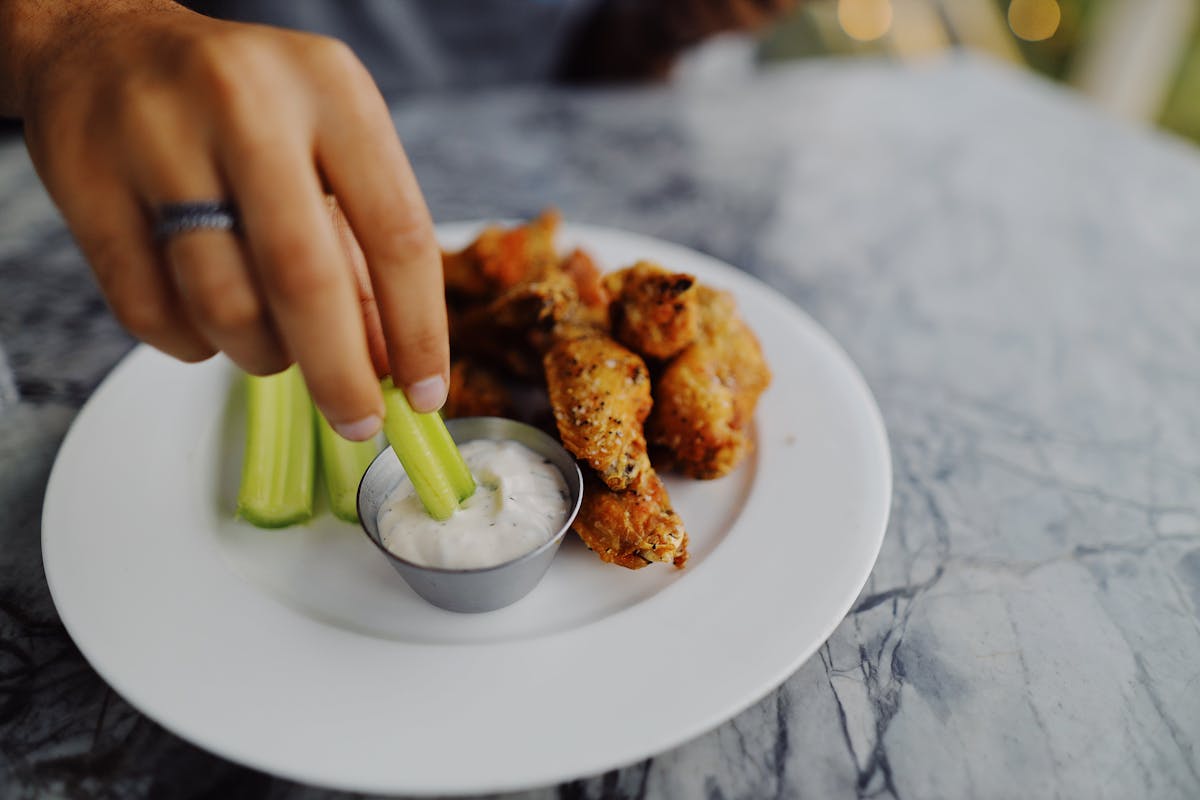
Air fryer everything. Air fryer chicken tenders, air fryer vegetables, air fryer salmon - they all need a dipping sauce. Protein ranch or cajun ranch turns your air fryer habit into a protein delivery system.
Burger bowls. Ground turkey or lean beef over rice with shredded lettuce, tomato, and pickles. BBQ low calorie sauce or ranch low calorie sauce on top. It's a deconstructed burger that hits 50+ grams of protein per bowl.
Protein sauces and the clean label movement
Protein sauces got popular at the exact right time. The clean label movement - people actually reading ingredients and rejecting seed oils, artificial sweeteners, and processed fillers - hit mainstream around 2024. By 2025, "no seed oils" went from a niche health obsession to something regular people at the grocery store cared about.
Protein sauces sit at the intersection of two trends: the protein-everything wave (protein chips, protein coffee, protein ice cream) and the clean ingredient wave. A good low calorie sauce delivers on both. You get added protein AND a clean ingredient list. That's rare in the condiment world.
The brands that are winning in low calorie sauces right now are the ones that took clean labels seriously from day one. They didn't start with a regular sauce formula and try to cram protein into it. They built from scratch: whey protein base, prebiotic fiber for texture, avocado oil or no oil at all, real spices instead of "natural flavor" masking agents.
That approach matters because it means the sauces aren't just "protein added" - they're genuinely better than what they're replacing. Fewer calories, better ingredients, more nutritional value. The protein is almost a bonus on top of already being a cleaner sauce.
Try the full lineup for less than $10/bottle
The Saucified Variety Pack includes Cajun Ranch, Classic Ranch, Hot Honey Mustard, and Tangy BBQ. Four bottles, four totally different flavor profiles. $37.99.
Shop SaucifiedCommon questions people have about low calorie sauces
Do low calorie sauces taste like protein powder?
The good ones don't. If you've tried those early protein pancake mixes that tasted like chalk and sadness, I get the skepticism. Modern low calorie sauces from quality brands taste like regular sauces. The protein is there but you can't detect it. If anything, the whey gives the sauce a slightly creamier texture that actually improves it.
Can low calorie sauces replace a protein shake?
No, and they shouldn't try to. A protein shake gives you 25 to 50 grams per serving. A low calorie sauce gives you 5. They're different tools for different jobs. Protein sauces fill the gaps in your nutrition - the 15 to 20 extra grams per day that separate "close to my protein goal" from "nailed it."
Are low calorie sauces keto friendly?
Most of them, yes. Quality low calorie sauces typically have under 2g of carbs per serving. They work on keto, paleo, and pretty much any macro-conscious diet. Check the specific brand's label, but the category leans very keto-friendly by default. Full list of keto friendly condiments here.
How long do low calorie sauces last?
Sealed, most have a shelf life of 12 to 18 months. Once opened, refrigerate and use within 60 to 90 days depending on the brand. Because they tend to have fewer preservatives than conventional sauces, they won't last as long once opened. But if you're using them on 4 meals a day, a bottle doesn't last more than a couple weeks anyway.
The bottom line on low calorie sauces
Protein sauces aren't going to transform your physique overnight. No condiment will. But they solve a real problem that gym-goers, meal preppers, and anyone watching their macros deals with every day: your food needs to taste good, and the stuff that makes food taste good usually works against your nutritional goals.
Protein sauces fix that trade-off. More protein, fewer garbage ingredients, and flavor that makes your fifth container of chicken and rice taste almost as good as the first one.
If you're still using regular ketchup and ranch on everything, you're leaving easy protein on the table. And honestly, once you try a clean low calorie sauce, going back to the seed-oil-and-sugar stuff at the grocery store feels like a downgrade.
This article is for informational purposes only and is not a substitute for professional medical or dietary advice. Always consult your doctor about dietary changes, especially if you are on GLP-1 or other medications.
Ready to make the switch?
Saucified low calorie sauces: prebiotic fiber, low calories, prebiotic fiber, zero seed oils. Available in Cajun Ranch, Classic Ranch, Hot Honey Mustard, and Tangy BBQ.
Shop the Variety Pack - $37.99Want to try individual flavors? Check out Cajun Ranch, Classic Ranch, Hot Honey Mustard, or Tangy BBQ ($12.99 each). All gluten-free, egg-free, and soy-free.