

Low Calorie Dipping Sauce: The Guide for Meal Prep and Cutting
You open the fridge. Four identical containers of grilled chicken and broccoli stare back at you. It's only Tuesday. You know exactly what happens next: you grab the bottle of ranch, dump half of it on your food, and try not to think about the 140 calories you just poured on top of a meal that was supposed to be "clean."
That ranch bottle is the enemy you don't see coming. It turns your carefully planned 450-calorie meal into a 600-calorie mess, and the worst part? You barely tasted the sauce by bite three. It just becomes background noise.
Low calorie dipping sauce options have gotten way better in the last couple of years. Not the watered-down, tastes-like-chemicals kind from 2019. Real sauces that actually have flavor and don't quietly wreck your deficit.
This is the full breakdown. What to buy, what to make, what to avoid, and the specific numbers that matter when you're counting every gram.
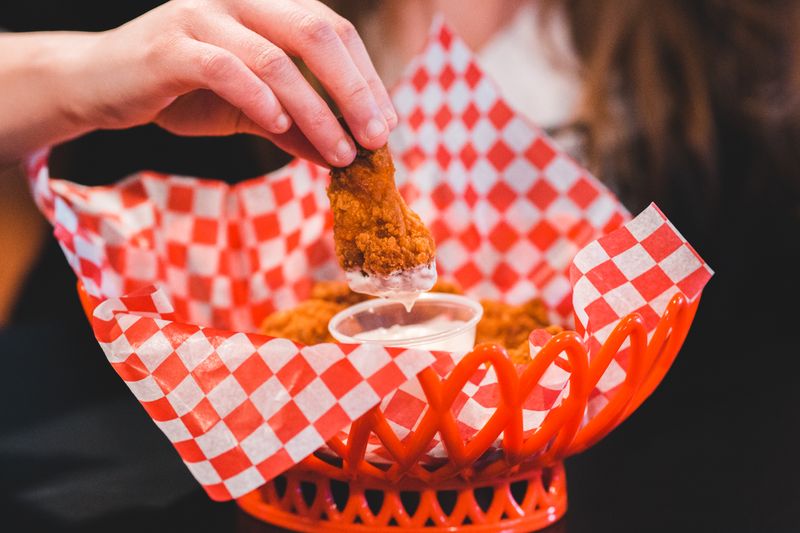
Why most "low calorie" sauces are lying to you
Here's the trick nobody talks about. A sauce can say "25 calories per serving" on the front label and technically be telling the truth. The serving size is usually 1 tablespoon. One. Have you ever measured out a single tablespoon of ranch? It looks like a teardrop.
Normal people use 3-4 tablespoons of sauce per meal. That's 75-100 calories from a sauce marketed as "low calorie." And the nutrition label gets worse from there. Most standard dressings and sauces have 8-14 grams of fat per 2-tablespoon serving. That's almost all your fat budget for a single meal if you're cutting.
So when I say low calorie dipping sauce, I mean sauces where you can use a reasonable amount, like 2-3 tablespoons, and still stay under 60-70 calories total. That's the real threshold.
Low calorie dipping sauces you can actually buy
Let me save you the trial and error. I've been through more sauce bottles than I want to admit, and here's what actually works.
Hot sauce (basically any brand) - 0-5 cal per tablespoon. Frank's RedHot, Cholula, Tabasco. They're essentially calorie-free. The catch is obvious: they add heat but not much depth. Great as a mixer, not great as your only sauce.
Mustard - 3-10 cal per tablespoon. Yellow mustard, Dijon, spicy brown. People sleep on mustard as a dipping sauce and I don't understand why. Dijon mixed with a little Greek yogurt and garlic powder makes one of the best chicken dips you'll ever have. Under 20 calories for a generous portion.
Salsa - 5-10 cal per tablespoon. This one's almost too obvious. Fresh salsa, jarred salsa, pico de gallo. High flavor, almost zero calorie impact. Works on chicken, eggs, rice bowls, literally everything savory.
G. Hughes Sugar-Free sauces - 5-15 cal per tablespoon. These are the most popular option in the macro-counting community and for good reason. The BBQ and Polynesian flavors are solid. Some people complain about an artificial aftertaste from the sucralose. I notice it in some flavors more than others.
Greek yogurt-based dips - 10-15 cal per tablespoon. Plain non-fat Greek yogurt mixed with ranch seasoning packet. That's it. That's the hack. You get the ranch flavor, almost no fat, and bonus protein. It's been floating around Reddit fitness communities for years because it actually works.
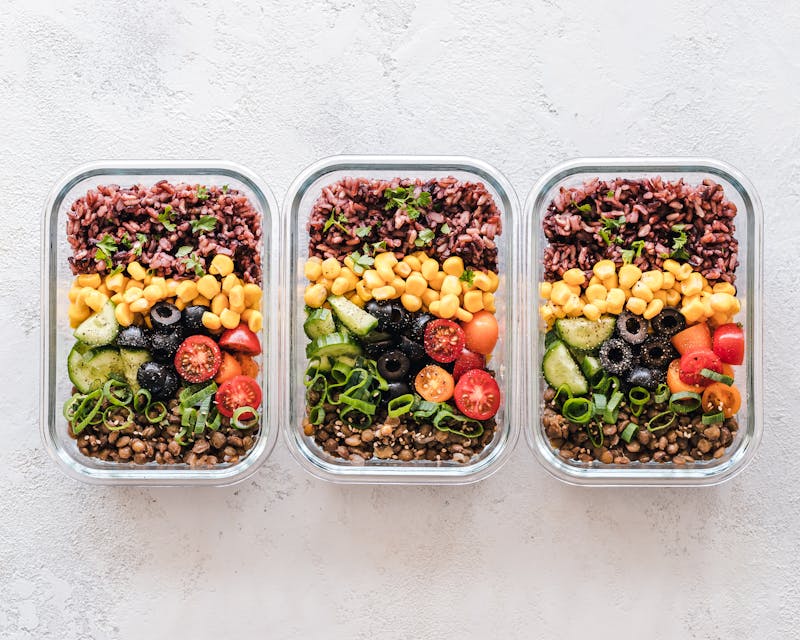
The sauces to avoid when you're watching calories
Some sauces are calorie traps wearing a health food disguise.
Ranch dressing (regular). 130-140 calories and 14g fat per 2 tablespoons. That's more fat than a lot of people should eat in an entire meal during a cut. The "light" versions aren't much better at 70-80 calories.
Honey mustard. Sounds innocent. It's basically sugar and oil. Most honey mustard sauces run 120+ calories per serving. The honey alone accounts for 10-15g of sugar.
Caesar dressing. Another one that fools people. Regular Caesar packs 150-170 calories per 2 tablespoons. Even the "light" versions hover around 70-80.
Teriyaki sauce. Low in fat but packed with sugar. A 2-tablespoon serving of Kikkoman teriyaki has 17g of sugar. That's more than four sugar packets on your chicken.
BBQ sauce (regular). Sweet Baby Ray's, the default in most kitchens, has 70 calories and 16g of sugar per 2 tablespoons. That sugar adds up fast if you're using it as a dip rather than a light glaze.
Low calorie sauces that hit different
Saucified sauces are low calories per serving with prebiotic fiber and prebiotic fiber. No seed oils, no gums, no added sugar. Try the Variety Pack to find your favorite.
Shop SaucifiedHow to build a low calorie dipping sauce at home
Store-bought is fine for convenience. But the best low calorie dipping sauces come from your own kitchen, and they take about 90 seconds to make.
The Greek yogurt ranch. Half cup plain non-fat Greek yogurt. One packet of Hidden Valley ranch seasoning (the dry mix, not the bottle). Stir. Done. That's roughly 70 calories for half a cup of sauce, plus 12g of protein from the yogurt. Compare that to half a cup of regular ranch at 520 calories.
Sriracha-lime yogurt. Half cup Greek yogurt, 1 tablespoon sriracha, juice of half a lime, pinch of garlic powder. About 80 calories total. Works on everything from chicken tenders to rice bowls.
Avocado crema (the light version). Quarter avocado, quarter cup Greek yogurt, lime juice, salt, cilantro. Blend it. Comes out to about 90 calories for the whole batch and it tastes like something you'd pay $14 for at a trendy brunch spot.
Spicy mustard dip. 2 tablespoons Dijon, 1 tablespoon honey, 1 teaspoon sriracha. Under 50 calories. This one goes hard on air fryer chicken tenders.
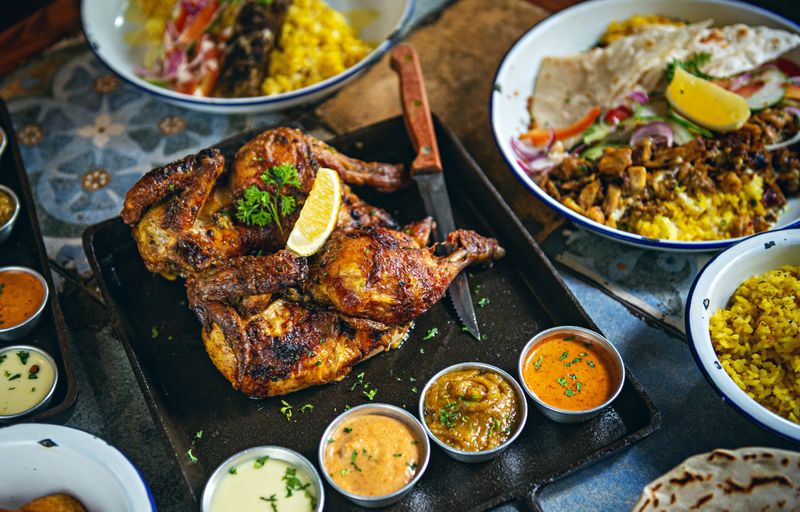
Low calorie dipping sauce and macros: the numbers that matter
If you're tracking macros, calories alone don't tell the whole story. Here's what separates a good low calorie dipping sauce from a great one.
Protein content. Most sauces have zero protein. Literally zero. That's wasted space on your plate. Sauces built on a Greek yogurt or whey protein base can add 3-7g of protein per serving. When you're trying to hit 150-180g of protein per day, every gram from unexpected sources helps. If you want a deeper look at how low calorie sauces work, the full low calorie sauces guide breaks it all down.
Fat content. For a cutting phase, you want sauces under 3g fat per serving. Oil-based dressings are the biggest offenders. Vinegar-based, yogurt-based, and tomato-based sauces are typically the lowest in fat.
Sugar content. Aim for under 3g sugar per serving in any sauce you're using regularly. This rules out most BBQ sauces, teriyaki, honey mustard, and a surprising number of "healthy" options. Check the label. Always check the label.
Fiber. This one's new. Some newer sauces are adding prebiotic fiber, which helps with gut health and keeps you full longer. It sounds gimmicky but the research on prebiotic fiber and satiety is actually pretty solid. If you can get fiber from your sauce on top of everything else, that's a win.
The low calorie sauce trend: low calorie dipping sauces that do more
Here's what's changed in the last year or so. Sauces aren't just condiments anymore. A few brands have figured out how to put actual protein into sauce without making it taste like you're eating a dissolved protein bar.
The idea is simple. If you're already dipping your chicken in something, why shouldn't that something add 5g of protein to your meal? Across three meals a day, that's an extra 15g of protein from your sauces alone. That's a real number.
Most people I know who track macros are constantly looking for ways to sneak in more flavor without extra calories without adding volume to their meals. Protein sauces solve that. They're low calorie because they replace the oil and sugar with whey protein and fiber. You get flavor, you get protein, and you stay in your calorie budget.
Saucified is one brand doing this with their whole lineup. Their sauces run low calories per serving with 5g of protein and prebiotic fiber. No seed oils, no gums, no soy, no gluten. The Cajun Ranch is probably the one I reach for most. It's got a kick to it that works on basically anything from plain chicken breast to scrambled eggs. The Hot Honey Mustard is the other one that gets used fast in my kitchen. Think of it as honey mustard that doesn't come with the 15g sugar penalty.
Bring the heat without the calories
Cajun Ranch + Hot Honey Mustard together. low calories, prebiotic fiber per serving. The Bring the Heat Bundle saves you vs buying singles.
Shop Saucified
Quick calorie comparison: popular low calorie dipping sauces vs the usual suspects
Sometimes you just need the numbers side by side. All values per 2-tablespoon serving.
Regular ranch: 130 cal, 14g fat, 0g protein.
Frank's RedHot: 0 cal, 0g fat, 0g protein.
Yellow mustard: 6 cal, 0g fat, 0g protein.
Salsa (jarred): 10 cal, 0g fat, 0g protein.
G. Hughes SF BBQ: 10 cal, 0g fat, 0g protein.
Greek yogurt + ranch mix: 18 cal, 0g fat, 3g protein.
Saucified (any flavor): low calorie, 1.5g fat, prebiotic fiber.
Sweet Baby Ray's BBQ: 70 cal, 0g fat, 0g protein (16g sugar).
Honey mustard (standard): 120 cal, 10g fat, 0g protein.
Caesar dressing: 150 cal, 16g fat, 0g protein.
Look at the protein column. Most sauces contribute nothing. That's the gap.
Best low calorie dipping sauce pairings for meal prep
Matching the right sauce to the right protein makes the difference between meal prep you tolerate and meal prep you look forward to.
Grilled chicken breast: Cajun ranch, sriracha-lime yogurt, or Dijon mustard. Chicken breast needs something with personality because on its own it has almost none.
Air fryer chicken tenders: Hot honey mustard, spicy mustard dip, or buffalo sauce. Tenders want something that hits back.
Ground turkey bowls: Salsa, BBQ (sugar-free), or tangy BBQ. The mild flavor of ground turkey disappears under strong sauces, which is exactly what you want.
Baked fish (tilapia, cod): Avocado crema, tartar made with Greek yogurt, or a simple lemon-herb yogurt sauce. Fish needs something creamy but light.
Roasted vegetables: Ranch (Greek yogurt version), hummus (careful on portions, it's calorie-dense), or balsamic reduction. Vegetables need fat or acid to taste good. A low-cal ranch style sauce handles both.
Mistakes people make with low calorie dipping sauces
I see these constantly in fitness forums and it drives me nuts.
Ignoring serving size math. "It's only 15 calories!" Yeah, per tablespoon. You're using four. That's 60 calories. It's fine, but know the real number you're eating.
Treating "sugar free" as "calorie free." Sugar-free BBQ sauce still has calories. Sugar-free doesn't mean you can use unlimited amounts. It means the calories come from somewhere else.
Buying "light" dressings and thinking the problem's solved. Light ranch is still 35-40 calories per tablespoon with 3-4g of fat. It's better than regular, sure. But it's still an oil-based sauce at its core.
Forgetting that ketchup is basically tomato candy. 20 calories per tablespoon doesn't sound like much until you realize 4g of those calories come from sugar. Across a week of meals, that sugar adds up.
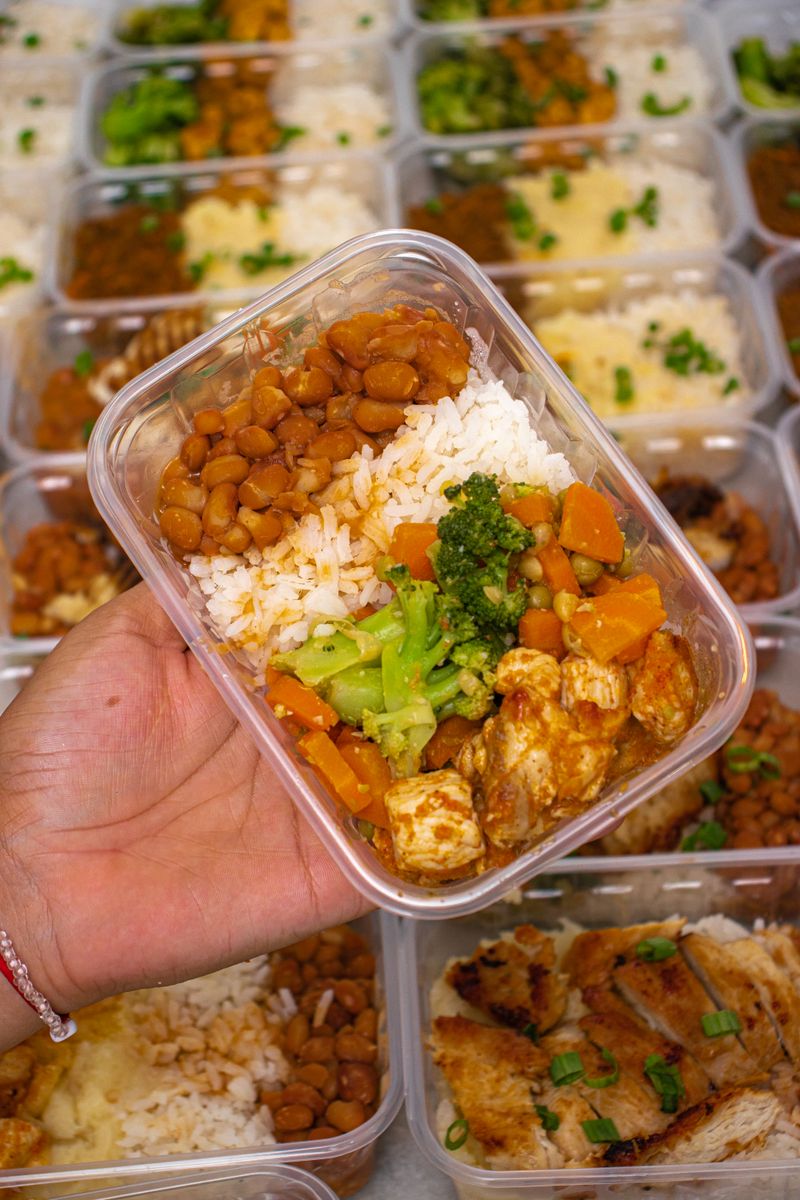
Pouring sauce on meal prep containers ahead of time. I've said this before and I'll say it again: soggy meal prep is the number one reason people quit. Keep sauces in separate small containers. Pour at eating time. Your future self will thank you. (I wrote an entire article about how to make meal prep taste better with more tips like this.)
This article is for informational purposes only and is not a substitute for professional medical or dietary advice. Always consult your doctor about dietary changes, especially if you are on GLP-1 or other medications.
Try all four flavors
Cajun Ranch, Classic Ranch, Hot Honey Mustard, Tangy BBQ. low calories, prebiotic fiber each. The Variety Pack is the easiest way to find your go-to.
Shop SaucifiedWant to try individual flavors? Check out Cajun Ranch, Classic Ranch, Hot Honey Mustard, or Tangy BBQ.
Where to go next
Use this guide as the starting point. Then pick the angle that matches how you actually eat: