

Honey Mustard Protein Sauce: The Condiment Upgrade You Didn't Know You Needed
You're standing in the sauce aisle at Target, staring at honey mustard options. French's. Ken's Steakhouse. That organic brand your friend swears by. They all taste fine. They all have the same problem: zero protein, a pile of sugar, and soybean oil lurking in the ingredients.
If you actually read food labels (welcome to the club), regular honey mustard is frustrating. Great flavor for chicken, wraps, and meal prep bowls. Terrible macros. Most store-bought options pack 5 to 10 grams of sugar per serving.
That's exactly why honey mustard protein sauce exists now. Real honey mustard flavor, rebuilt with protein, less sugar, and no seed oils. Here's everything you need to know.
What even is honey mustard protein sauce?
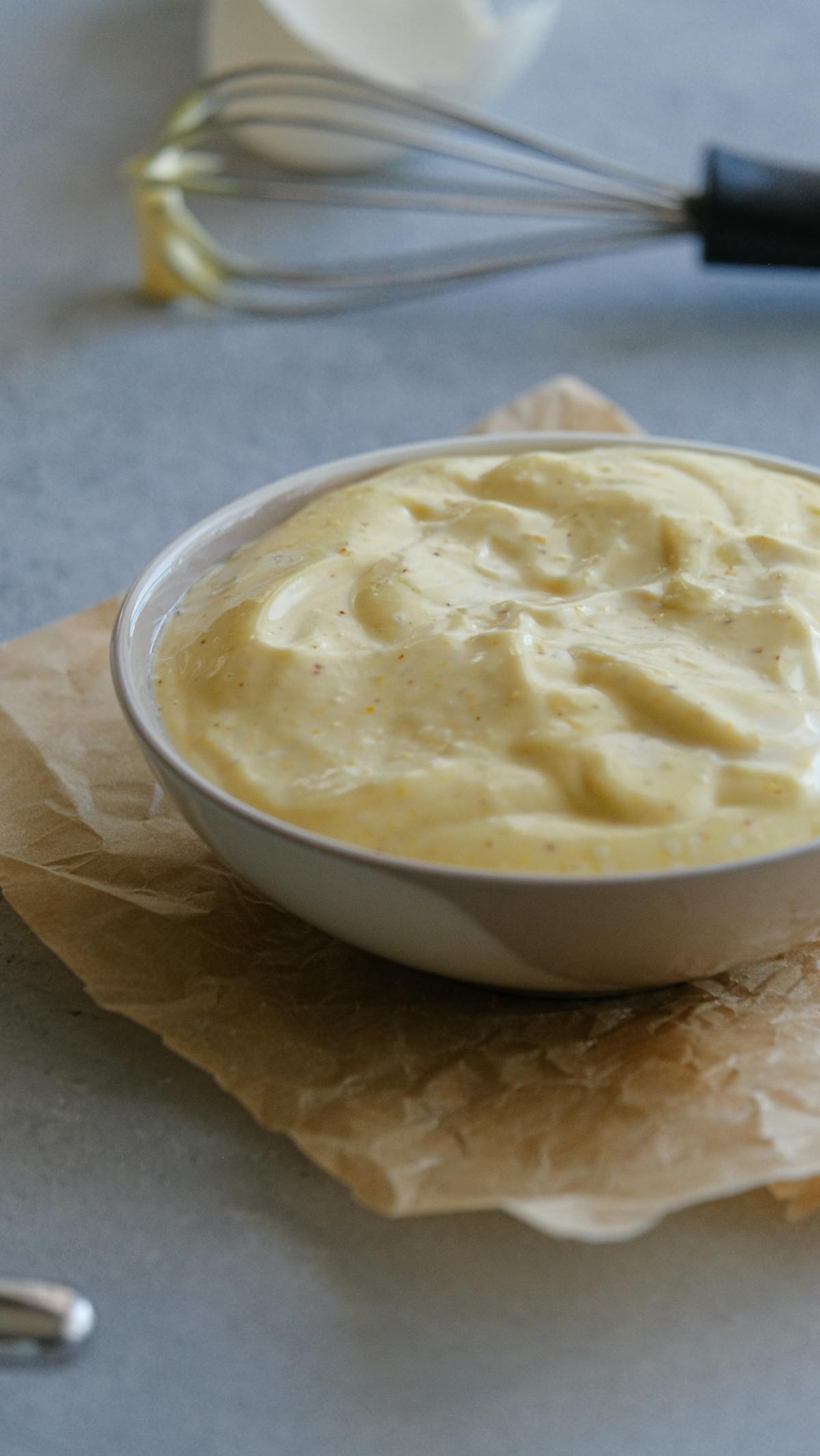
Simple concept. Take the honey mustard flavor profile people already love, the sweet-meets-tangy thing that makes chicken tenders actually worth eating, and rebuild it with better ingredients. We're talking protein added in (usually whey or collagen), the sugar content either slashed or replaced, and none of the seed oils that have become the health community's punching bag over the past few years.
The result is a condiment that actually contributes something to your daily macros instead of quietly working against them.
To be clear, we're not talking about some chalky protein shake flavored like honey mustard. Nobody wants that. The good versions taste like actual honey mustard, the kind you'd dip chicken nuggets into without thinking twice, but with a macro label that makes sense.
The problem with regular honey mustard (by the numbers)
Let's look at what you're actually getting from the honey mustard sitting in your fridge right now.
French's Honey Mustard: 10 grams of sugar per 2 tablespoons. Zero protein. Ingredients include corn syrup and "natural flavor," which tells you basically nothing.
Ken's Steakhouse Honey Mustard: 60 calories per tablespoon. 5 grams of sugar. Soybean oil as the second ingredient. Zero protein.
Chick-fil-A Honey Mustard packets: 6 grams of sugar per packet. Soybean oil. Zero protein. You're using 2 to 3 packets per meal, so that's 12 to 18 grams of sugar from condiments alone.
Here's the math that nobody does but everybody should. If you use honey mustard 4 to 5 times a week (pretty normal for meal preppers), standard stuff adds 40 to 90 grams of sugar to your weekly intake from one condiment. Over a month, that's an extra 160 to 360 grams of sugar. From sauce.
Why honey mustard is actually the perfect flavor for a protein sauce
Not every sauce flavor works well with added protein. Ranch does great. BBQ can work if the formula is right. But honey mustard might be the best candidate of the bunch, and here's why.
The sweet-tangy profile of honey mustard hides the taste of whey protein better than almost anything else. Mustard has a strong flavor. Honey adds sweetness. Together, they mask that slightly chalky protein taste that some protein-fortified foods can't seem to shake. It's chemistry working in your favor for once.
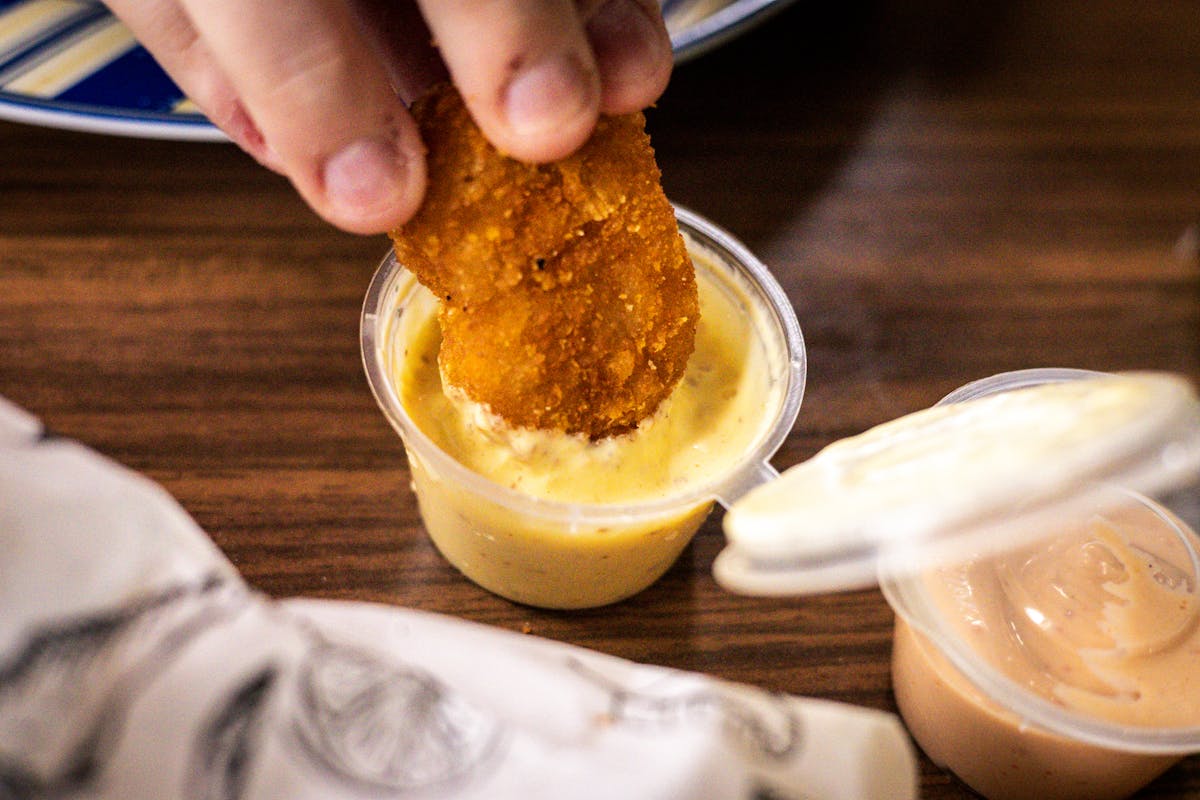
Honey mustard is also one of the most versatile condiment flavors out there. It works as a dipping sauce, a sandwich spread, a salad dressing, a marinade. Try doing that with ketchup. You can't. Honey mustard goes on grilled chicken, wraps, salads, roasted vegetables, rice bowls, and even as a glaze on salmon. That versatility means you'll actually use a bottle of honey mustard protein sauce before it expires, which is more than I can say for half the specialty condiments in my fridge.
What to look for in a honey mustard protein sauce
Not all protein sauces are created equal. Some brands just sprinkle in a gram of collagen and slap "protein" on the label. Here's what actually matters when you're comparing options.
Protein per serving. You want at least 3 to 5 grams per serving. Anything less than that is marketing, not nutrition. The best options push 5 grams or higher.
Sugar content. Under 2 grams per serving is the sweet spot. If the honey mustard protein sauce has the same sugar as regular honey mustard, what's the point?
Oil base. Avocado oil or olive oil. Not soybean, canola, or "vegetable" oil. This is non-negotiable if you care about seed oil avoidance. Read the back of the bottle, not the front.
Fiber content. Some brands add prebiotic fiber to support digestion. Not required, but it's a nice bonus that most people's diets are lacking anyway.
Calorie count. A good protein honey mustard should come in under 40 calories per serving. Anything above 60 and you're probably looking at a sauce loaded with oils or hidden sugars.
No gums or thickeners. Xanthan gum, guar gum, modified food starch. These are the things brands use to fake a creamy texture on the cheap. A well-formulated sauce doesn't need them.
Honey mustard protein sauce for meal prep (the practical stuff)
Meal prep and honey mustard go together like chicken breast and... well, literally any sauce that makes chicken breast edible. But protein honey mustard adds a layer of strategy to your weekly prep that regular condiments can't touch.
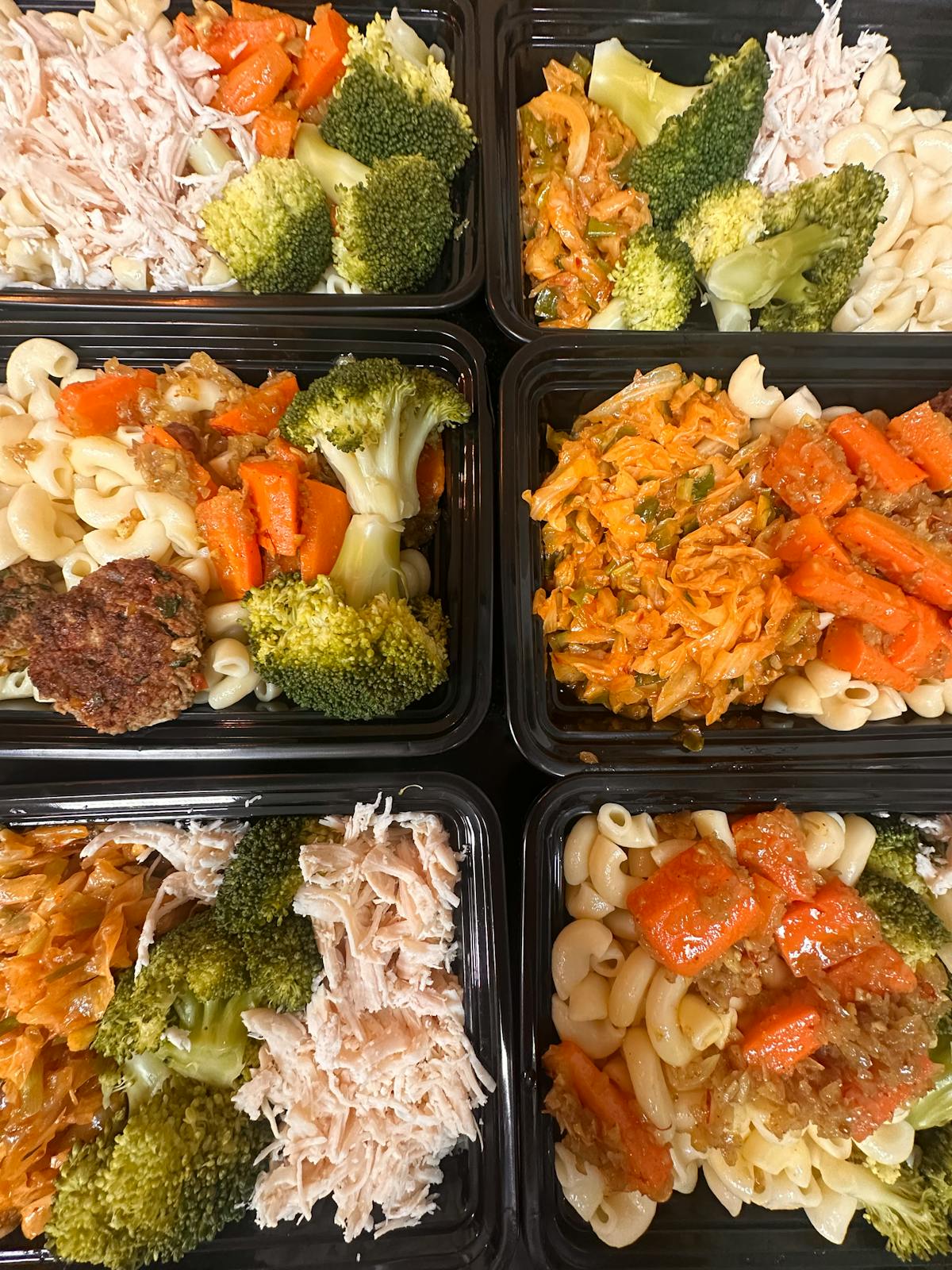
Here's how I actually use it. Sunday prep day: grill or bake 3 to 4 pounds of chicken thighs (thighs over breasts, fight me). Portion into 5 containers with rice and whatever vegetable you didn't overcook this time. Pack the honey mustard protein sauce in a separate small container on the side.
Important: do NOT pour sauce into the containers ahead of time. This is the rookie meal prep mistake that turns Thursday's lunch into a soggy catastrophe. Keep the sauce separate. Add it fresh when you eat. Your future self will thank you.
The protein angle actually matters here. Let's say your meal prep chicken breast gives you 35 grams of protein per container. Adding a protein sauce bumps that to 40. Over 5 meals in a week, that's an extra 25 grams of protein from condiments alone. It's not going to transform your physique by itself, but if you're already tracking macros, those extra grams add up fast.
Honey mustard with 5g protein per serving
Saucified Hot Honey Mustard: 35 calories, 5g protein, prebiotic fiber, zero seed oils or gums. No gluten, no egg, no soy. $12.99 per bottle.
Shop Hot Honey MustardHoney mustard protein sauce and the keto question
Short answer: yes, a good honey mustard protein sauce works on keto. But you need to read labels carefully because honey mustard is where a lot of keto dieters get tripped up.
Regular honey mustard is basically a keto landmine. The "honey" part means sugar, sometimes corn syrup, sometimes actual honey (which is still sugar as far as ketosis cares). Two tablespoons of standard honey mustard can easily eat 10 to 15% of your daily carb budget on keto. For a condiment. That's brutal.
Protein-packed versions solve this in a couple ways. The sugar gets replaced with monk fruit, stevia, or allulose. The net carbs drop to 1 to 2 grams per serving. And the added protein helps keep the sauce feeling satisfying rather than like a sad diet compromise.
If you're doing keto and you miss honey mustard (I know you do), a protein version with under 2g net carbs is probably the cleanest option on the market right now. For a full breakdown of keto-safe condiments, check out our complete keto friendly condiments list.
Does it work for GLP-1 users?
If you're on Ozempic, Wegovy, Mounjaro, or any other GLP-1 medication, your relationship with condiments changes completely. (We wrote a full guide on the best condiments for GLP-1 users if you want the deep dive.) Every calorie has to earn its spot because your appetite is smaller and your body is more sensitive to what you put in it.
Regular honey mustard is the kind of thing that quietly wastes those limited calories. Sugar, seed oils, and nothing your body can actually use. A protein honey mustard flips the equation. You get flavor (critical when food sounds less appealing on GLP-1s), protein to protect muscle mass during weight loss, and prebiotic fiber that supports a gut already dealing with medication side effects.
A few people I know on Ozempic have told me that sauces and condiments became more important, not less, after starting treatment. When you're eating less food overall, making every bite taste good matters more than ever.
Every calorie should count
The Saucified Variety Pack includes Hot Honey Mustard, Cajun Ranch, Classic Ranch, and Tangy BBQ. 5g protein per serving across all four. $37.99 for the full lineup.
Shop the Variety PackThe DIY honey mustard protein sauce option (and why most people give up)
You can absolutely make honey mustard protein sauce at home. Reddit is full of recipes. The basic formula: Dijon mustard, a sugar-free sweetener (honey alternative or monk fruit), a scoop of unflavored whey or collagen peptides, a splash of apple cider vinegar, and maybe some turmeric for color.
Sounds simple enough. Here's what actually happens.
Batch one: too grainy. The protein powder didn't dissolve right and now your sauce has the texture of wet sand. Batch two: too thin. You added too much liquid trying to fix the texture. Batch three: it actually tastes decent but turns brown in the fridge after two days and looks like something you'd find in a science lab.
The consistency problem is real. Professional sauce makers use specific protein sources and emulsification processes that a blender and a prayer can't replicate. It's the same reason you can bake bread at home but the loaf from the bakery still tastes better. Scale, equipment, and hundreds of test batches matter.
If you enjoy the process, go for it. But if you just want honey mustard protein sauce that works and doesn't require a lab coat, buying a well-formulated option saves time and tastes better. I speak from experience on this one.
How to use honey mustard protein sauce beyond dipping
Dipping is the obvious move. Chicken tenders, nuggets, veggies, done. But if that's all you're doing with honey mustard, you're leaving money on the table.
As a marinade. Thin it with a tablespoon of apple cider vinegar and marinate chicken thighs for 2 to 4 hours. The mustard acts as a natural tenderizer. The honey flavor caramelizes when you grill or bake. It's stupid good.
On a wrap or sandwich. Replace mayo with honey mustard protein sauce. You swap out a condiment that adds only fat for one that adds protein and flavor. This is the kind of easy swap that macro-tracking people live for.
Salad dressing. Mix with a little olive oil and lemon juice. Boom, you have a honey mustard vinaigrette with protein. Works especially well on spinach salads with grilled chicken. Obviously.
Rice bowl drizzle. Chicken, rice, roasted broccoli, a heavy drizzle of honey mustard protein sauce. This is my go-to lazy meal prep lunch. Five minutes to assemble, 40+ grams of protein, and it actually tastes like something you'd order at a restaurant.
Pretzel dip. Soft pretzels and honey mustard is a combination that exists for a reason. The protein version means your snack has some nutritional substance beyond carbs and sodium.
The macro comparison that matters
Let's put this side by side so the numbers speak for themselves.
| Per serving (2 tbsp) | Regular honey mustard | Protein honey mustard |
|---|---|---|
| Calories | 60-90 | 30-40 |
| Protein | 0g | 3-5g |
| Sugar | 5-10g | 0-2g |
| Seed oils | Yes (soybean/canola) | No |
| Fiber | 0g | 1-3g (prebiotic) |
The calorie difference alone is significant if you're in a cut or on any kind of calorie-restricted diet. But combine lower calories with actual protein content and no seed oils, and you're looking at a completely different product wearing the same flavor.
Is honey mustard protein sauce worth it?
If you eat honey mustard once every few weeks at a restaurant, honestly no. Grab whatever packet they hand you. The macro impact is negligible at that frequency.
If you're a meal prepper, a macro tracker, someone on a cut, or someone on GLP-1 medication, and you use honey mustard regularly? Yeah, it's a no-brainer swap. You're not adding a new food to your diet. You're upgrading one you already use.
The price per serving for protein sauces runs higher than the $3 bottle of French's at the grocery store. That's real. But you're also comparing a mass-produced sugar condiment to something with actual functional ingredients. The people who track their macros, avoid seed oils, or prioritize clean ingredients tend to find the value obvious once they try it.
Nobody gets a gold star for eating condiments that do nothing for them. Might as well pick the one that adds 5 grams of protein and skips the seed oils.
This article is for informational purposes only and is not a substitute for professional medical or dietary advice. Always consult your doctor about dietary changes, especially if you are on GLP-1 or other medications.
Ready to upgrade your honey mustard?
Saucified Hot Honey Mustard. 5g protein, 35 calories, prebiotic fiber, zero seed oils. The way honey mustard should have been made from the start.
Shop SaucifiedWant to try individual flavors? Check out Cajun Ranch, Classic Ranch, Hot Honey Mustard, or Tangy BBQ.