

Cajun Ranch Sauce: What It Is, How to Use It & Where to Buy (2026)
Ranch is fine. We all know that. But cajun ranch is better. It takes everything you like about regular ranch - the creaminess, the dippability, the goes-on-everything versatility - and adds cayenne, paprika, and a whole Louisiana spice cabinet worth of flavor.
Once you try cajun ranch, regular ranch starts feeling like the plain oatmeal of condiments. Something with no personality, just sitting in the back of your fridge since you moved in.
Cajun ranch takes everything you already like about ranch dressing and adds the spice profile of Louisiana cooking: cayenne, paprika, garlic, onion powder, oregano, and black pepper. The result is a sauce that works as a dip, a dressing, a marinade, and a drizzle. It does more in one bottle than most sauces do in three.

What actually makes cajun ranch different from regular ranch
Regular ranch is built on a base of buttermilk or mayo with garlic, dill, parsley, and chives. Cool, creamy, a little tangy. That's it. That's the whole thing.
Cajun ranch keeps that creamy base but layers in a completely different spice world. The cajun seasoning blend typically includes cayenne pepper, smoked paprika, garlic powder, onion powder, dried oregano, dried thyme, black pepper, and sometimes white pepper. Some versions go further with Creole mustard, Worcestershire sauce, or a hit of Louisiana-style hot sauce like Crystal or Tabasco.
The flavor difference is massive. Where regular ranch cools everything down, cajun ranch adds warmth and depth while still being creamy enough to balance the heat. It's not a hot sauce. It's more like ranch's cooler older sibling who actually went somewhere interesting after high school. If you want the full breakdown on protein sauces and how they compare, we wrote a whole guide on that.
Why cajun ranch works for meal prep (and regular ranch doesn't)
Here's the thing about plain ranch: it gets boring by day two. If you're prepping chicken, rice, and vegetables for the week, adding regular ranch on Monday is fine. By Thursday, you're ordering DoorDash because you can't look at another container of the same bland food.
Cajun ranch fixes this because the spice complexity gives your taste buds more to work with. The cayenne adds a slow warmth. The paprika adds smokiness. The garlic and onion round it out. Your brain registers all of that as "interesting food," which is why you're way more likely to actually eat your prepped meals instead of caving to fast food.
The other thing most people don't think about: traditional cajun ranch recipes are calorie bombs. Homemade versions call for full-fat mayo, sour cream, buttermilk, and oil. A single serving can hit 150-200 calories easy, with almost zero protein and a bunch of seed oils you probably don't want to think about.
That's a problem if you're tracking macros, on a cut, or following any kind of structured eating plan.
Cajun ranch with 5g of protein per serving
Saucified Cajun Ranch: 35 calories, 5g protein, prebiotic fiber. No seed oils, no gums, no soy, no egg. Just flavor that actually earns its spot in your fridge.
Shop Cajun RanchThe best ways to use cajun ranch (ranked by someone who eats too much of it)
I personally go through cajun ranch faster than any other sauce in my rotation. Here's what it works best on, ordered from "good" to "you'll want to drink it straight."
Chicken wings. This is the obvious one. Toss your wings in a dry cajun rub, bake or air fry them, then dip in cajun ranch. Wingstop built half their reputation on the cajun flavor profile for a reason. The cool ranch against the spicy wing is the combo that just works.
Grilled chicken breast. This is the meal prep move. Plain grilled chicken breast is punishment food. Cajun ranch turns it into something you actually look forward to eating. Drizzle it on top or use it as a dipping sauce on the side. If you need more ideas to make meal prep taste better, we covered that too.
Fries and sweet potato fries. Regular ranch on fries is fine. Cajun ranch on fries is an event. The smokiness of the cayenne and paprika pairs with the starch in a way that ketchup and regular ranch can't touch.
Raw vegetables. Carrots, celery, bell peppers, cucumber. If you're trying to eat more vegetables and struggling with the "they taste like nothing" problem, cajun ranch as a dip turns your crudite plate into something you'll actually finish.
Burgers and sandwiches. Swap out mayo, swap out regular ranch, swap out whatever generic spread you're using. Cajun ranch as a burger sauce or sandwich spread adds flavor without needing three different condiments.
Cajun ranch from the store vs. making your own: an honest breakdown
Most people searching for cajun ranch fall into two camps: the ones who want to buy a bottle and the ones who want a recipe. Both have tradeoffs.
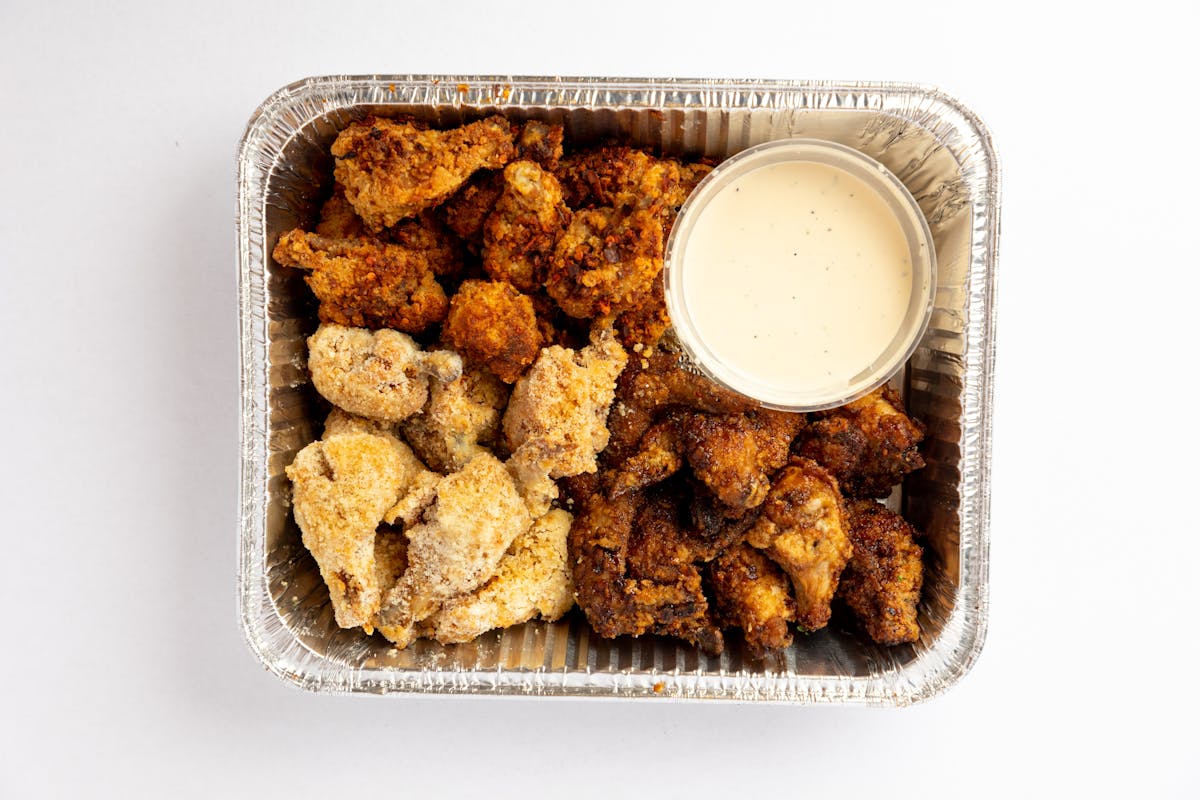
Making your own. The basic recipe is simple: ranch dressing (store-bought or homemade) plus cajun seasoning. That's it. You can get fancier with fresh garlic, Creole mustard, a splash of hot sauce, and Worcestershire. Some of the better recipes online, like the one from A Sprinkling of Cayenne, go all-in with Crystal hot sauce and cane vinegar for that authentic Louisiana angle. The problem? Homemade versions are calorie-dense (mayo and sour cream are the base), they spoil in 4-5 days, and they're loaded with seed oils unless you're making everything from scratch with avocado oil mayo.
Store-bought options. Hidden Valley and a few other brands make ranch "with cajun seasoning" but they're basically regular ranch with a tiny amount of spice powder mixed in. The ingredient lists on most of them include soybean oil, modified food starch, MSG, and a bunch of preservatives. They taste fine. They're not going to impress anyone.
There's a gap here. If you want cajun ranch that actually has real cajun spice flavor AND a clean ingredient list AND meaningful nutrition, the store-bought options are thin.
What to look for in a cajun ranch that won't wreck your macros
If you're counting calories or tracking macros (and if you're reading this article, there's a solid chance you are), here's what to check on the label:
Calories per serving. Traditional ranch runs 120-180 calories per two tablespoons. Most of that is fat from mayo and oil. Look for options under 50 calories per serving if you want to use it freely without blowing your fat macros.
Protein content. Regular ranch has zero to maybe 1 gram of protein per serving. That's a wasted opportunity. Every food that goes in your body could be doing double duty, and a sauce that adds protein while also tasting good is a rare find.
Seed oils. Soybean oil, canola oil, sunflower oil. These are in almost every store-bought ranch dressing. If you're trying to avoid seed oils (and the clean-eating community has plenty of reasons you might want to), check the ingredient list carefully.
Gut health bonus. Some newer sauce brands have started adding prebiotic fiber, which feeds the good bacteria in your gut. It sounds like a gimmick until you realize that most Americans get about half the daily fiber they need. Getting some from your condiments is actually smart.
Try the full lineup for $37.99
The Saucified Variety Pack includes Cajun Ranch, Classic Ranch, Hot Honey Mustard, and Tangy BBQ. All 4 flavors, 5g protein each, 35 calories, no junk ingredients.
Shop the Variety PackA dead simple cajun ranch recipe if you want to make your own
For the DIY crowd, here's a recipe that works. You probably have most of this already.
Base: 1 cup mayo (use avocado oil mayo if you want to skip seed oils), 1/2 cup buttermilk, 1 tablespoon white vinegar.
Herbs: 1 teaspoon dried dill, 1 teaspoon dried parsley, 1/2 teaspoon dried chives.
Cajun spice blend: 1 teaspoon cayenne pepper, 1 teaspoon smoked paprika, 1/2 teaspoon garlic powder, 1/2 teaspoon onion powder, 1/4 teaspoon dried oregano, 1/4 teaspoon dried thyme, 1/4 teaspoon black pepper.
Optional upgrades: 1 teaspoon Creole mustard, 1 teaspoon Worcestershire sauce, a few dashes of Crystal or Louisiana hot sauce.
Whisk it all together. Let it sit in the fridge for at least an hour so the flavors meld. It'll keep for about 5 days. Fair warning though: once you see the calorie count on homemade (roughly 140 calories per 2 tablespoons, almost entirely from fat, zero protein), you might start looking for alternatives that let you eat more without the macro hit.
Cajun ranch and keto: does it fit?
Short answer: yes, most cajun ranch is keto-friendly because the carb count is naturally low. Ranch dressing is mostly fat and protein, and the cajun spices add almost zero carbs.
The catch is sugar. Some store-bought versions sneak in added sugar or high fructose corn syrup. Always check the label. If you see more than 1-2g of carbs per serving, something's been added that doesn't need to be there. And if you're on Ozempic or Wegovy, check our GLP-1 friendly condiments guide for the full list of what works.
For keto meal prep specifically, cajun ranch is one of the best condiment choices because it adds fat (which keto requires), flavor (which keto desperately needs), and enough spice complexity that you don't get bored eating the same proteins every day. We wrote a full keto friendly condiments guide if you want the complete list.
The bottom line on cajun ranch
Regular ranch had a good run. But if you're someone who meal preps, counts macros, or just wants more flavor without reaching for three different bottles, cajun ranch is the upgrade you didn't know you needed.
Make your own if you enjoy the process and don't mind the calorie hit. Buy a store bottle if convenience matters more. Or find one that bridges the gap: real cajun spice flavor, clean ingredients, and actual nutritional value beyond just "it tastes okay."
However you get there, your Tuesday meal prep chicken is about to thank you.
This article is for informational purposes only and is not a substitute for professional medical or dietary advice. Always consult your doctor about dietary changes, especially if you are on GLP-1 or other medications.
Ready to ditch boring sauces?
Start with Cajun Ranch or grab the full Variety Pack. 5g protein, 35 calories, zero seed oils. Real flavor for people who actually care about what they eat.
Shop SaucifiedWant to try individual flavors? Check out Cajun Ranch, Classic Ranch, Hot Honey Mustard, or Tangy BBQ.